A technical breakdown of commuting expenses, from public transit efficiency to the long-term ROI of electric vehicle ownership and sustainable alternatives.
Transitioning from a single-occupancy internal combustion vehicle to public transit or shared mobility is the most significant step a household can take toward sustainable resource management. By reducing the demand for fossil fuels and minimizing the wear on urban infrastructure, families contribute to a more balanced urban ecosystem while simultaneously shielding their budget from volatile energy markets.
Systematic use of cycling or walking for short-distance errands reduces mechanical stress on vehicles, extending the lifecycle of tires, brakes, and fluids.
In the Greater Toronto Area, the financial decision between utilizing the TTC (Toronto Transit Commission) and investing in an Electric Vehicle (EV) requires a multi-year amortization analysis. While a monthly transit pass provides a fixed, predictable cost, it lacks the flexibility and time-efficiency required for certain suburban commutes. Conversely, an EV presents high upfront capital expenditure but offers significantly lower operational costs per kilometer compared to traditional gasoline engines.
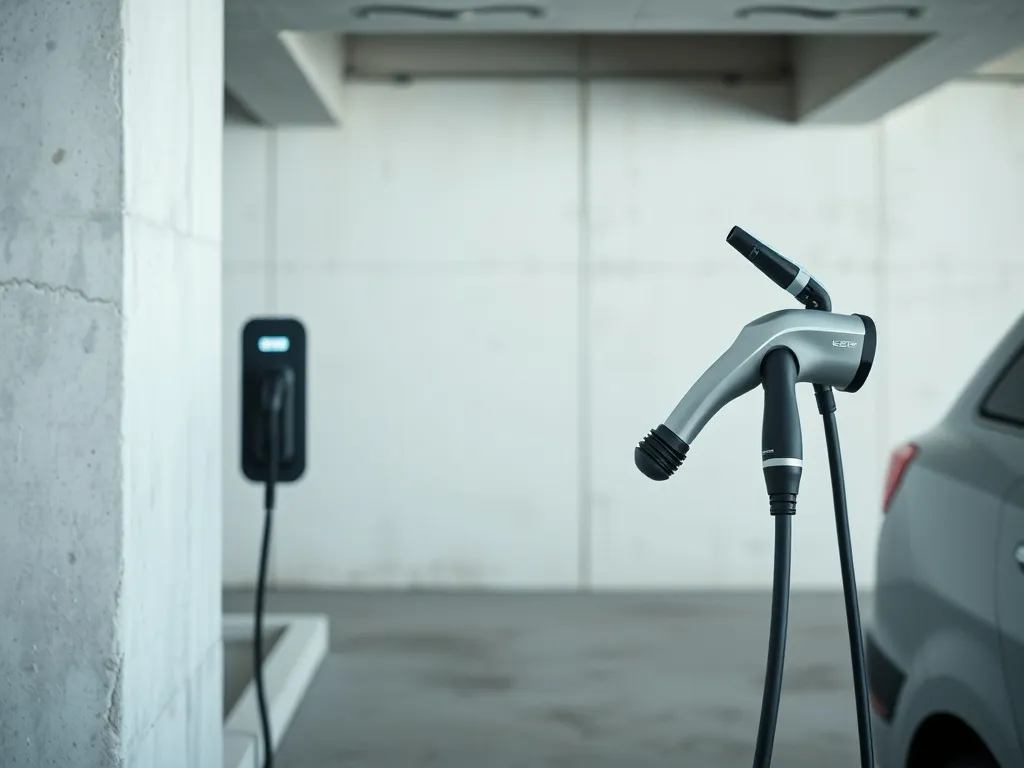
Figure 1: Residential charging infrastructure as a long-term resource investment.
Fuel Consumption Tracking and Energy Parity
For those who must maintain a vehicle, tracking fuel consumption is the first step toward resource responsibility. Modern telematics allow families to monitor liters per 100km (L/100km) and identify inefficiencies in driving behavior or mechanical health. By maintaining a vehicle at peak efficiency, you reduce the carbon footprint and the "leakage" of household funds into non-recoverable energy costs.
Technical Insight: The 5km Rule
Data suggests that 40% of urban car trips are under 5 kilometers. These trips are the least fuel-efficient due to cold engine starts and frequent idling. Replacing these specific trips with cycling or walking can reduce annual fuel expenditure by up to 15% without significantly altering daily schedules.
The Economics of Active Transportation
Active transportation, primarily cycling, represents the highest level of resource efficiency. Beyond the obvious health benefits, the "Bike Commute Savings" are realized through the total avoidance of parking fees, transit fares, and fuel costs. In Toronto, a year-round cyclist can save between $2,500 and $4,000 annually. This capital can be more effectively deployed into long-term wealth-building vehicles such as RESP contributions or mortgage principal reductions.
Insurance Rate Factors and Risk Mitigation
Insurance premiums are not static. Factors such as daily commute distance, annual mileage, and the safety features of your vehicle determine your rate. By consciously choosing a residence closer to work—as discussed in our Housing Budgeting guide—you lower your risk profile in the eyes of underwriters.
Estimated Monthly Commuting Costs (GTA)
Mode of Transport
Monthly Cost (Est.)
Resource Impact
Maintenance Level
Public Transit (TTC/GO)
$156 - $350
Low
None
Electric Vehicle (Lease + Power)
$650 - $900
Moderate
Low
Internal Combustion (Gas + Ins.)
$850 - $1,200+
High
High
Bicycle / E-Bike
$20 - $50
Minimal
Low
Frequently Asked Questions
Is an EV really cheaper than a gas car in Ontario?
Yes, over a 5-to-7-year period. While the purchase price is higher, Ontario's electricity rates (especially off-peak) make "fueling" significantly cheaper. Maintenance costs are also roughly 40% lower due to fewer moving parts like transmissions and exhaust systems.
How can I lower my insurance without changing my car?
Inquire about "Pay-as-you-drive" or telematics programs. If you commute via transit and only use your car for weekend errands, your low annual mileage should qualify you for a significant discount. Always report your actual commute distance accurately.
What is the most effective way to track fuel efficiency?
Use a simple spreadsheet or a dedicated app to log every fuel fill-up and your odometer reading. This allows you to spot sudden drops in efficiency which often indicate mechanical issues like low tire pressure or oxygen sensor failure.
Are winter tires a necessary expense in Toronto?
From a budgeting perspective, yes. Not only do they prevent costly accidents, but many Ontario insurers offer a 2-5% discount for vehicles equipped with winter tires. They also preserve the life of your all-season tires by splitting the annual wear.
Ready to recalibrate your commute?
Download our detailed budgeting template to see exactly how much you can save by optimizing your transportation choices.