Consumption Logic
Understanding kilowatt-hour (kWh) distribution across peak and off-peak periods is the primary step in reducing monthly hydro liabilities in the GTA.
A technical roadmap to reducing utility overhead in Ontario. We analyze thermodynamic efficiency, smart meter logistics, and the financial returns of modern retrofitting.
Once a week we send a digest of the best articles.
Understanding kilowatt-hour (kWh) distribution across peak and off-peak periods is the primary step in reducing monthly hydro liabilities in the GTA.
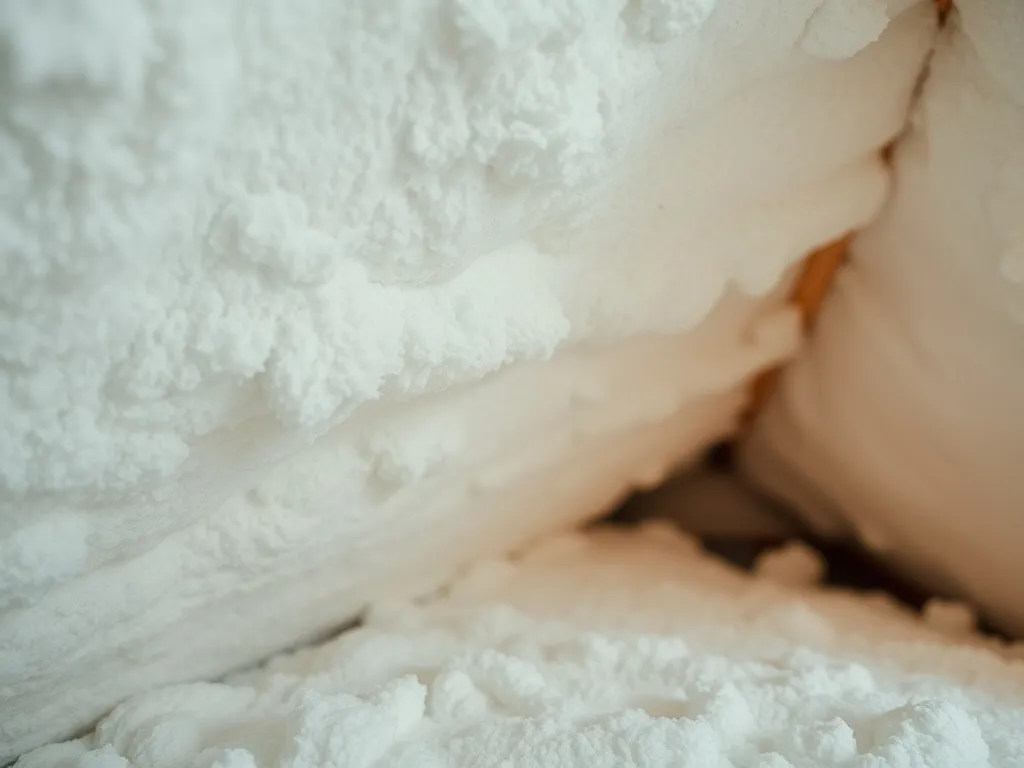
Most Canadian homes lose 25-30% of their heat through inadequate attic insulation and window seal failures. We focus on R-value optimization.
Federal and provincial retrofitting programs offer significant rebates for heat pumps and insulation. Navigating these requires technical compliance.
In Ontario, the Time-of-Use (TOU) pricing model dictates that the cost of electricity varies depending on when you use it. For a typical family in Toronto, water heating and climate control represent the largest share of energy consumption. By shifting heavy appliance usage—such as dishwashers and laundry—to off-peak hours (typically after 7:00 PM), a household can reduce its variable energy costs by up to 40% per billing cycle.
It is essential to understand the "Global Adjustment" and delivery charges that appear on your statement. These are fixed and semi-variable costs that support the maintenance of the provincial grid. While you cannot control the delivery fee, you can significantly influence the regulatory and electricity line items by monitoring your daily consumption peaks through your provider's online portal.
"The average Ontario household consumes approximately 800 kWh per month. Shifting just 20% of peak usage to off-peak can result in annual savings exceeding $300."
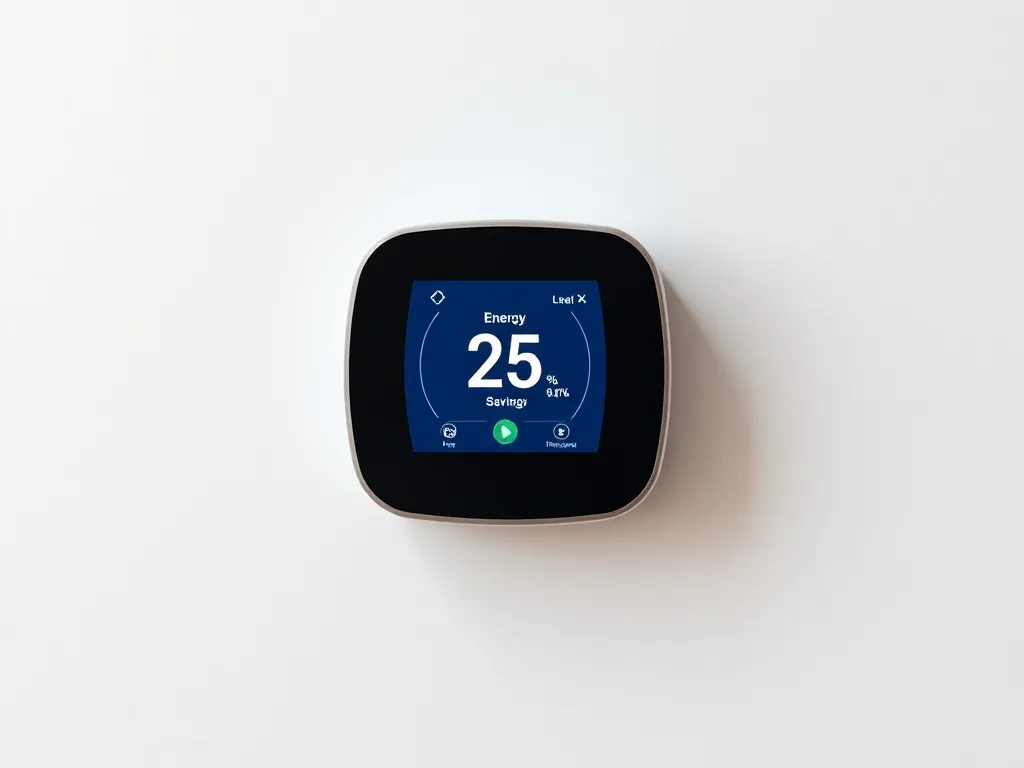
Smart thermostats are the cornerstone of demand management. These devices learn your family's schedule and adjust temperatures to minimize heating or cooling when the house is empty. Integrating these with your housing budget ensures that utility costs remain predictable even during extreme Canadian winters.
Thermal resistance, measured as R-value, is the most critical metric for any Canadian homeowner. Older homes in the GTA often have attic insulation levels around R-20, whereas modern efficiency standards recommend R-60. Upgrading this layer is one of the few home improvements with a guaranteed Return on Investment (ROI) within 3 to 5 years.
Note: Prices vary based on material choice and existing structure conditions.
The Canadian government frequently updates rebate programs like the Canada Greener Homes Grant and various local utility incentives (e.g., Enbridge Gas Home Efficiency Rebate). These programs are designed to offset the high upfront costs of sustainable technology.
To qualify, homeowners must typically undergo a pre-retrofit EnerGuide evaluation performed by a licensed energy advisor. This baseline audit identifies the most effective areas for improvement. After the work is completed, a post-retrofit audit confirms the efficiency gains.
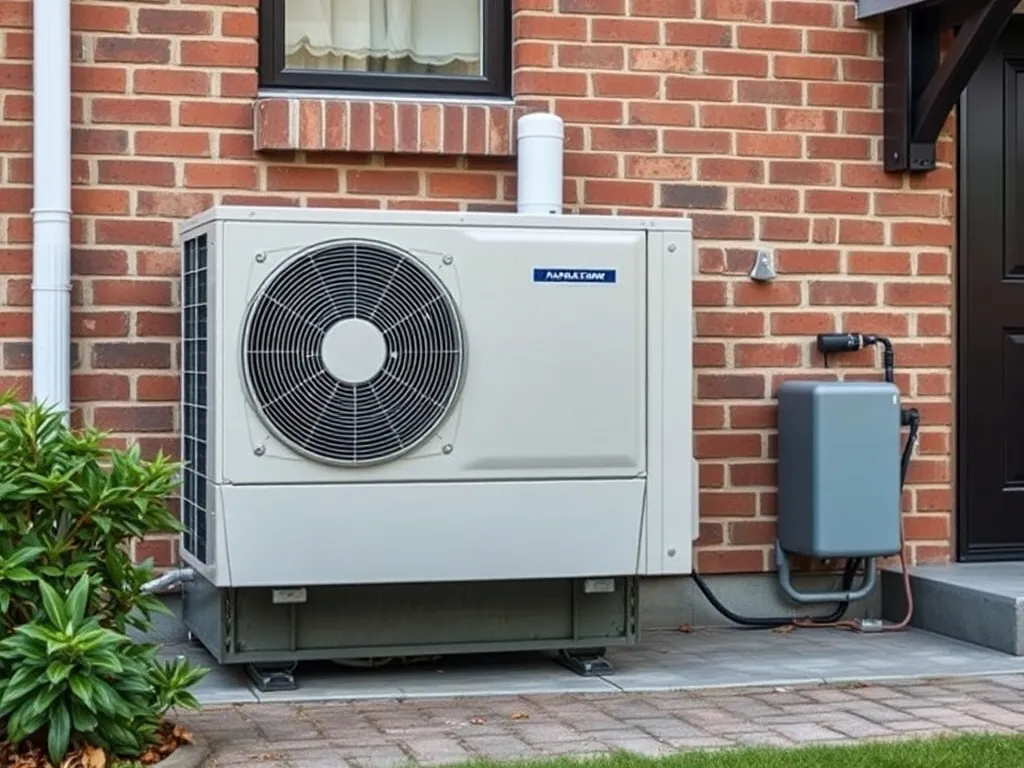
Grants often cover air-source heat pumps (up to $5,000), solar panels, and high-performance windows. When combined with tax efficiency strategies, these rebates can cover up to 70% of total project costs in specific scenarios.
Conduct a professional energy audit. Track 30 days of smart meter data to identify phantom loads.
Execute air sealing and attic insulation upgrades. This provides the fastest impact on comfort.
Install smart thermostats and evaluate HVAC performance. Apply for provincial rebates.
Review monthly statements against the previous year's data to verify actual kWh reduction.
Sustainable financial planning starts with resource management. Integrate these energy-saving steps into your master budget template for long-term resilience.